
ballebaazi

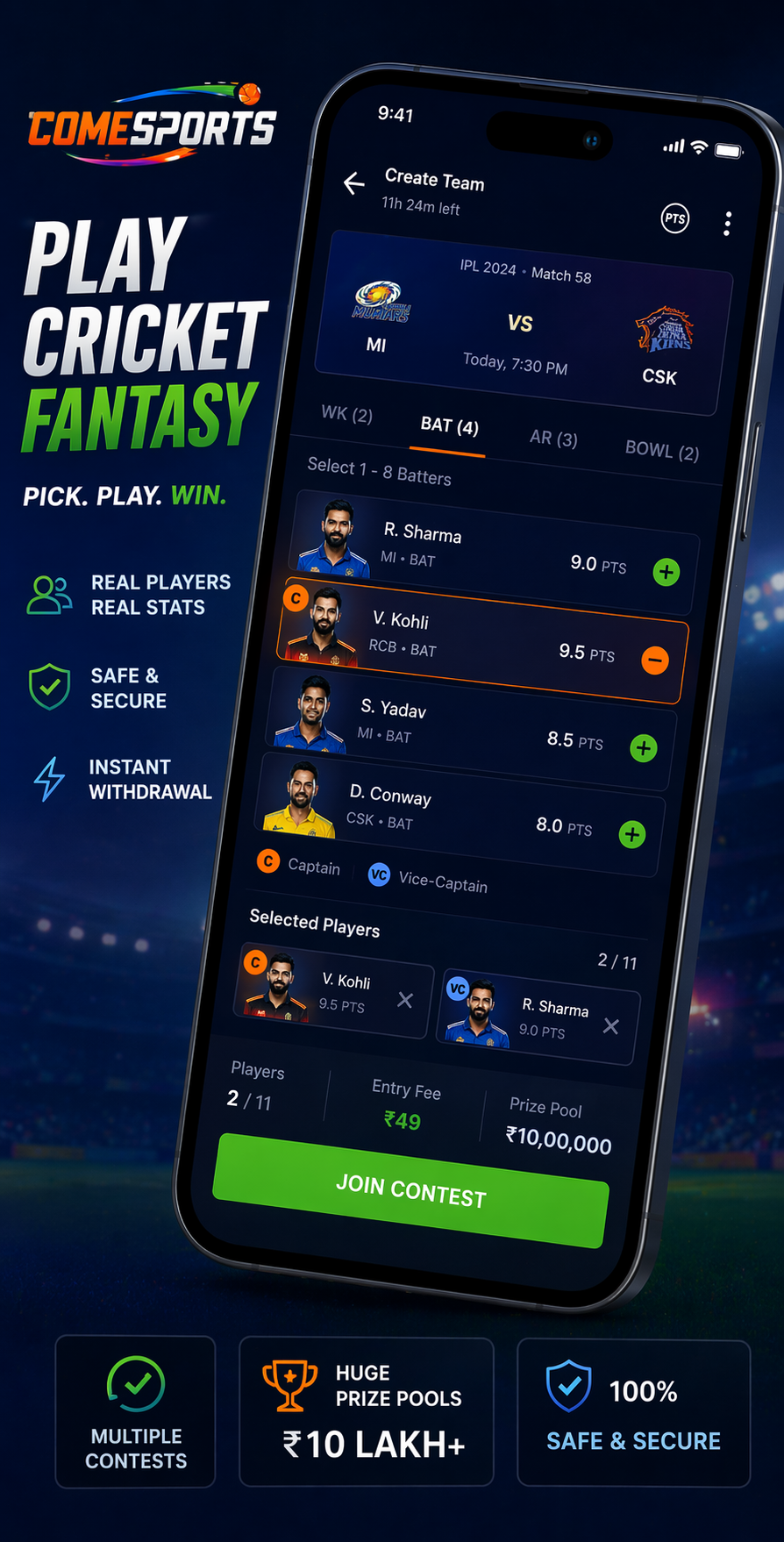

ballebaazi is a better choice when you can read the match before other users chase the biggest prize pool.
Use ballebaazi for fixtures where the toss, pitch, confirmed XI, and likely batting order are easy to check. If you are still unsure who opens or bowls at the death, reduce the entry or skip the contest.
Compare payout depth before first prize.
A large prize pool can still be a poor choice if only the top few ranks get meaningful rewards. For steady play, prefer contests with more paid spots and a lower jump between ranks.
Keep aggressive picks limited.
One risky captain or one low-owned bowler is enough for most small contests. If half your team depends on surprise roles, the entry is closer to a guess than a strategy.
Use the final minutes only for confirmed changes.
Build your team early, then adjust for toss, impact player, injury news, or pitch behavior. Last-minute full rebuilds usually create avoidable mistakes.



A cleaner way to enter ballebaazi contests
Treat each entry as a decision with a limit. If the contest cost, payout spread, and team logic are not clear, wait for a better match.
- Open ballebaazi before the toss window so signup, wallet, and team edits do not collide with lock time.
- Choose the match with the clearest roles: openers, wicketkeeper batting position, all-rounder overs, and death bowlers.
- Pick contests by payout spread first; beginners should avoid top-heavy pools that punish one imperfect captain.
- Build a core with role-secure players, then add one upside pick only where the matchup supports it.
- Enter after checking captain logic, vice-captain backup, entry fee, spots filled, and lock deadline.
BONUS CODE ballebaazi
Use code ballebaazi only if it reduces the cost of a contest you already wanted. Skip the offer when it pushes you into a higher entry, short expiry, or match you do not follow.
When ballebaazi is worth your entry
- Choose cricket when roles are visible
- Better call: Enter after confirmed XI if you need clarity on batting order, bowling workload, and all-rounder involvement.
- Use football or kabaddi with smaller stakes
- Better call: If you cannot judge starters, substitutions, or scoring weight quickly, treat the entry as a test, not a main play.
- Avoid top-heavy reward traps
- Better call: A smaller contest paying more ranks can be better than a huge pool where one missed captain ends the run.
- Keep mobile edits focused
- Better call: Save your first team early, then use the phone only for toss, weather, and lineup corrections.
WINNERS
Use winner lists to spot patterns, not to copy teams. Look for captain type, role security, number of differentials, and whether the winning team avoided emotional picks.
Frequently asked questions
- When should I enter on ballebaazi?
Enter when the confirmed XI and contest payout are clear. If you are still guessing key roles near lock, choose a smaller entry or wait. - What is the safest first contest?
A lower-entry contest with more paid ranks is easier to learn from than a top-heavy pool built around one big prize. - How many risky picks should I use?
For small contests, one or two upside picks are enough. Too many punts make even a good captain less useful. - When should I ignore a bonus?
Ignore it when the eligible contest is outside your match read, has poor payout depth, or requires a stake you did not plan.
ballebaazi works best when you set a stake limit, wait for reliable match news, and choose contests by payout quality instead of prize-pool noise.